A few points about the disadvantages of polyethylene plastic water source
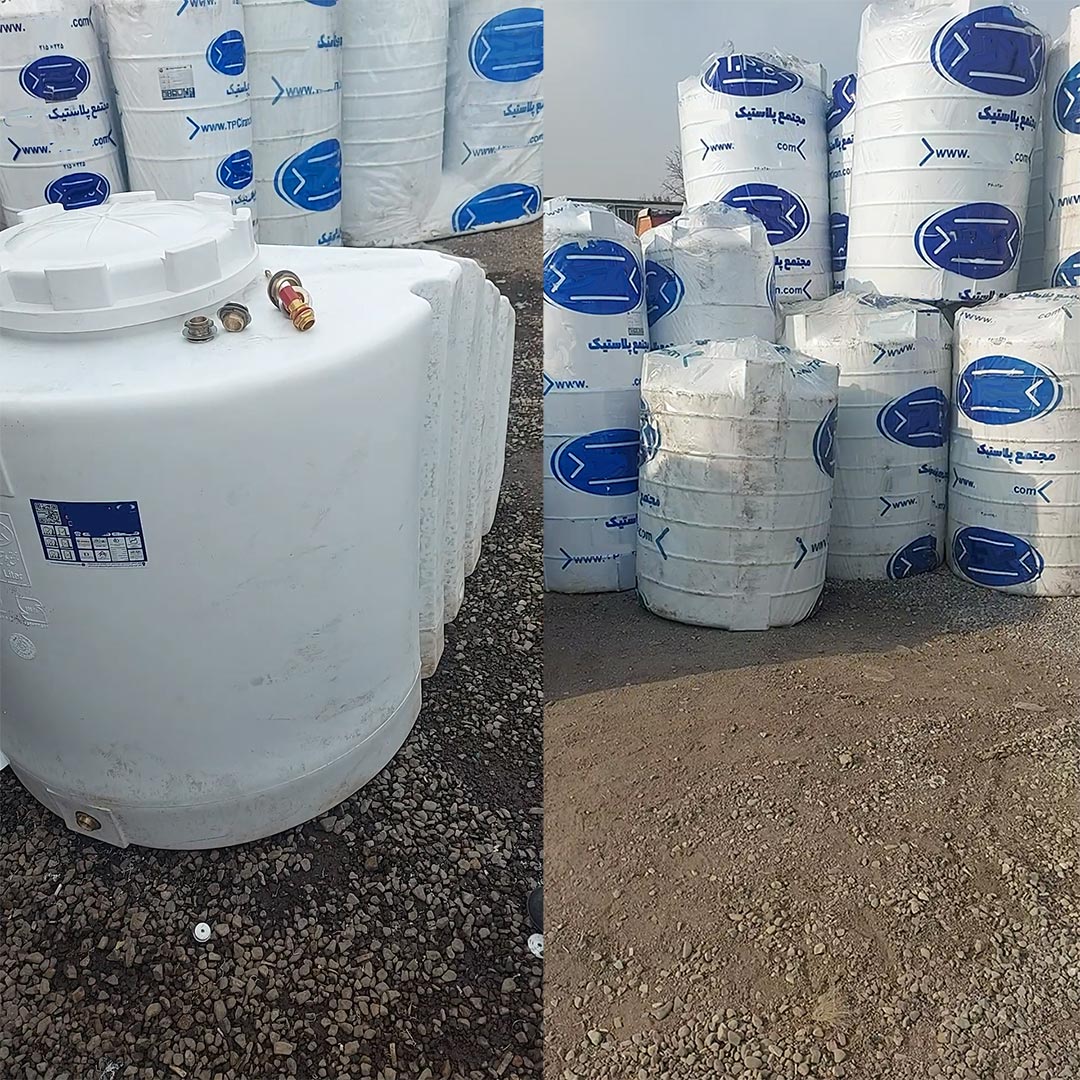
Why does a water tank grow algae? The main cause of algae is the closure of tanks due to their exposure to direct sunlight, extreme heat, and stagnant water in the tank.
Does temperature and heat cause algae to grow in the water source?
Yes, hot water and high temperatures increase the growth of algae, which if it is inside the engine room, will definitely increase the possibility of algae and bacteria growing.
Does water in plastic tanks grow algae?
Algae is caused by light penetration, and if the light does not shine into the tank and the tank has a light-blocking layer inside, algae will not grow. Therefore, if you use colorless and single-layer tanks in completely bright environments and in direct sunlight, there is a possibility of algae formation inside the water tank, which is one of the disadvantages of polyethylene tanks. Three-layer tanks prevent the penetration of the sun due to the presence of a black layer in the middle and even filter artificial light, so there is no algae or bacteria in the water and there is no change in the color and smell of water and liquids. This is why we always recommend that if your tank is exposed to direct sunlight, be sure to use three-layer tanks and a shade.
Is the antibacterial nano coating in the water source carcinogenic?
These are ready-made plastic products that have a nano layer on them, and after several uses, the properties of this nano are lost and may cause disease.
Due to the presence of nanomaterials in the structure of these tanks, microorganisms and pathogens are removed from drinking water.
These products use different mechanisms for germicidal action simultaneously, making them usable in all environmental conditions such as high humidity, dry environments, dark spaces and dusty environments.
Studies have shown that these tanks are effective against various types of bacteria such as E.coli, S.aureus and fungi such as bread and fruit mold, and reduce bacteria by up to 99.99 percent. The durability of the antibacterial property in plastic materials and parts is long-lasting.