Removing dermal PAAG fillers with enzyme injections
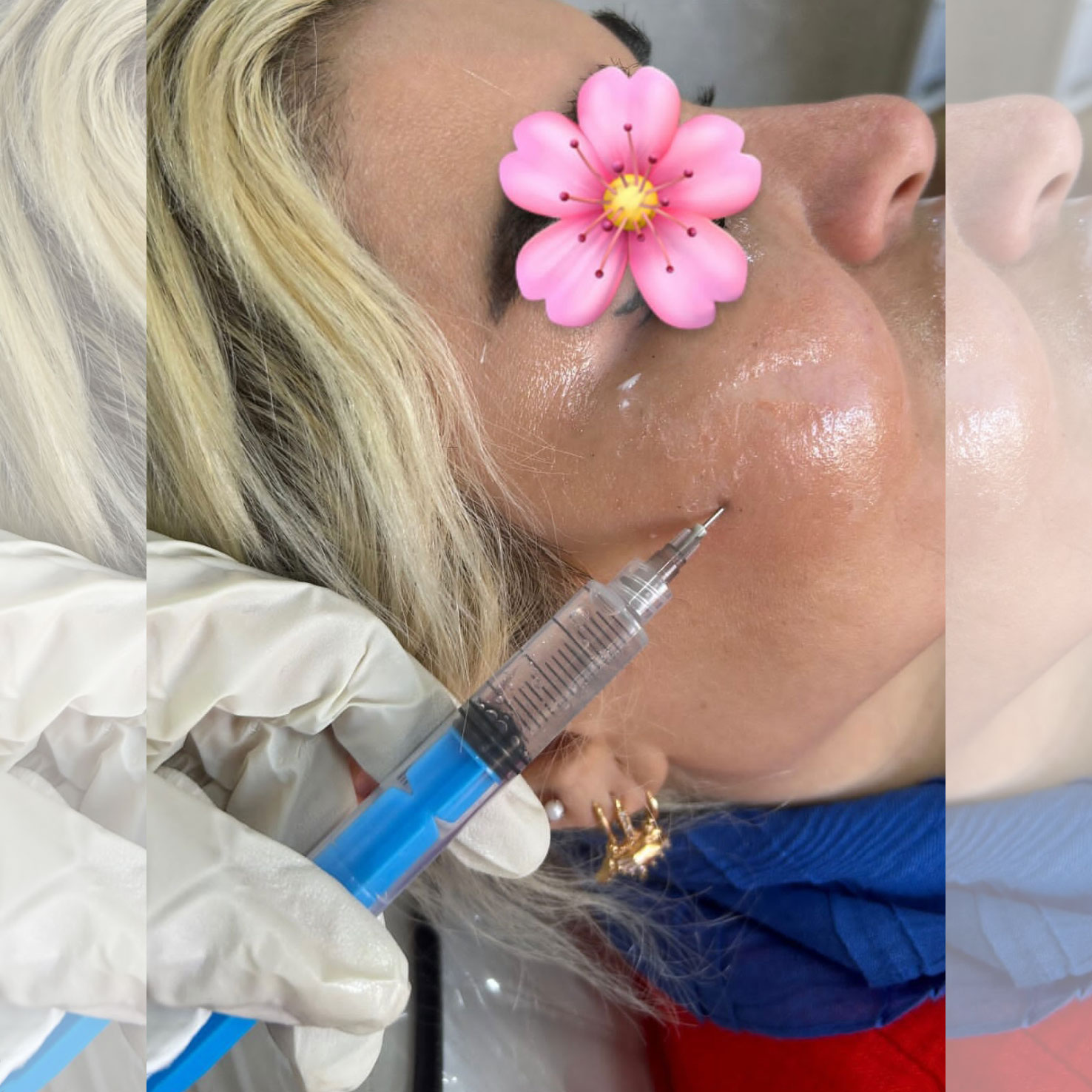
Using an enzyme to break down PAGE filler While many doctors are aware that the enzyme hyaluronidase has no effect on PAGE gel, there have been several cases of injecting this enzyme with the aim of reducing swelling. Unfortunately, in some of these cases, the injection of hyalase itself has led to the onset of infection.
Using an enzyme to break down PAGE filler:
While many doctors are aware that the enzyme hyaluronidase has no effect on PAGE gel, there have been several cases of injecting this enzyme with the aim of reducing swelling. Unfortunately, in some of these cases, the injection of hyalase itself has led to the onset of infection. It should be clearly remembered that no enzyme has been able to break down PAGE gel so far and its use will only cause further damage.
Review of conventional methods of draining PAGE gel:
Aspiration (needle evacuation)
One of the common early methods that is still sometimes performed is to drain PAGE gel using a needle and applying gentle pressure to the injection area. In this method, only the liquid and thin part of the gel is removed, but the solid parts, debris and necrotic tissues remain along with the cyst wall.
Important note: If the cyst wall is torn during aspiration, the gel will penetrate the surrounding areas and form new cysts, which will increase the dispersion and severity of complications. Many patients state that after this method, the hardness of the gel is felt in several scattered areas instead of one point. This method can reduce the percentage of subsequent risks of gel PAGE only when a part of the gel can be evacuated without applying pressure. Experience shows that using this method is more harmful than beneficial, and I do not recommend this method except in exceptional cases and only in a few people.
Gel PAGE evacuation with enzyme:
Due to the high compatibility of hyaluronic acid enzyme with the body, this enzyme is used to evacuate gel PAGE. Compared to other gel removal methods, gel removal with enzyme PAGE has fewer complications. You may only feel swelling, redness, and inflammation.